
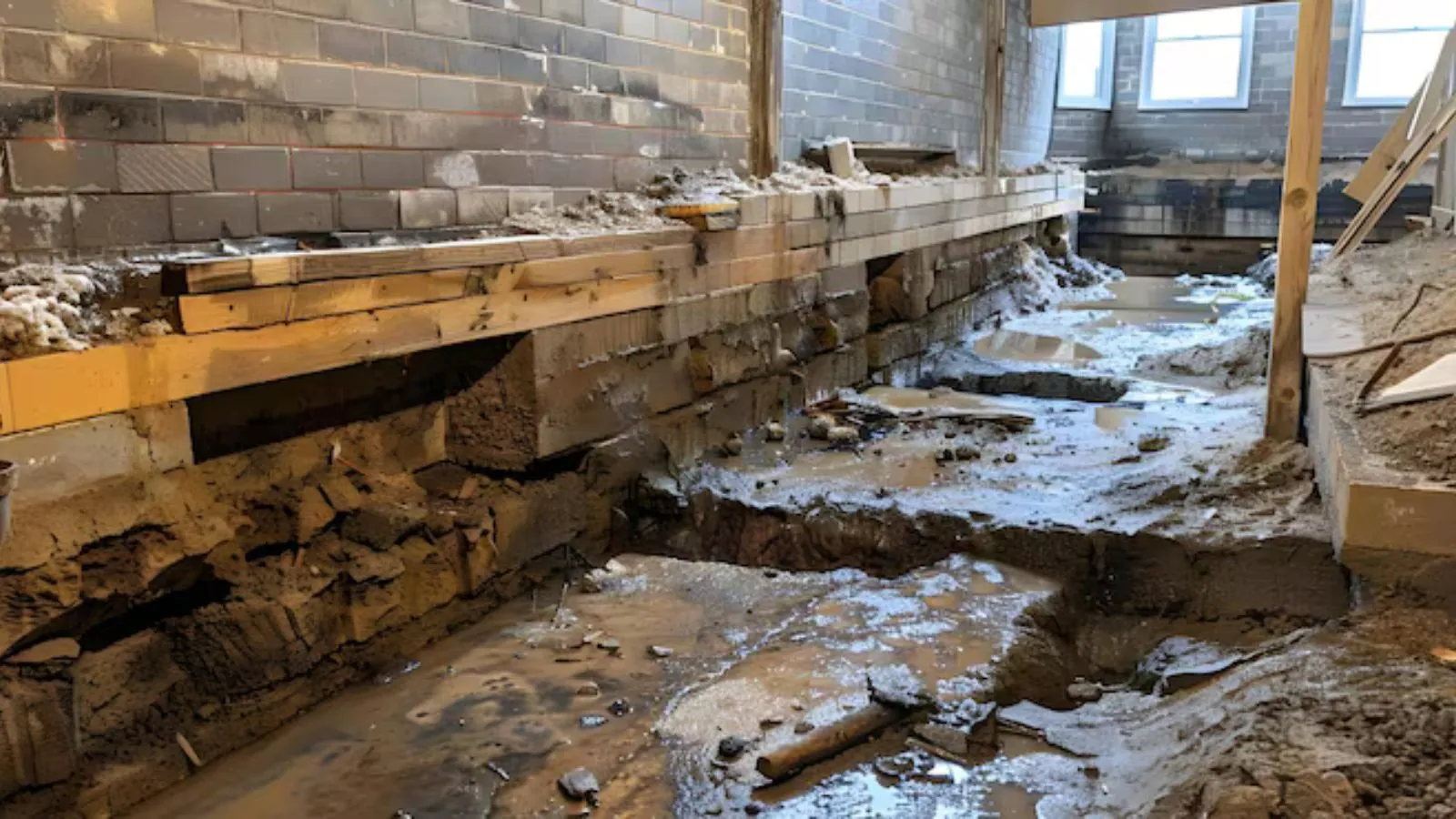
Water is on the floor and still reaching new material, so the first job is getting it out. Our line is open 24/7 and you can call right now. While you wait, stop the water at its source if it is safe, lift small items off the floor, and turn off power to wet rooms only if you can reach the panel without stepping into water.
What extraction does and what it leaves for drying
Extraction is bulk removal. Pumps handle deep water, portable and truck-mounted extractors pull water out of carpet and padding, and wet vacuums clean up edges and corners. The goal is to remove as much liquid as possible before it wicks into walls and subfloors.
Extraction does not finish the job. Materials stay damp after the standing water is gone, so the next phase is structural drying and dehumidification. A good plan treats the two as one continuous job.
Why the first hours matter
Water travels. It moves under baseboards, up the lower few inches of drywall and into the padding beneath carpet. Each hour it stays, more material absorbs it, and wet porous material is harder to save.
Valrico summers are warm and humid, which slows natural drying. Damp materials left in place for a day or two can also start growing mold, which turns a water cleanup into a larger mold remediation project.
Find and stop the source
We confirm the water is no longer coming in, or we help you shut off the right valve.
Remove bulk water
Pumps and extractors take out standing water from every affected room.
Extract soft materials
Carpet, padding and rugs get worked with extraction tools to pull out trapped water.
Check moisture and hand off
Meters show what is still wet, and the drying plan starts from those readings.
Places standing water hides
The visible puddle is rarely the whole story. Water collects in places you cannot see from the doorway.
- Under carpet and padding, where it can sit for days.
- Behind baseboards and in the bottom of wall cavities.
- Beneath cabinet toe kicks and vanity bases.
- In subfloor seams and under floating floors.
- In crawl spaces and low spots under the home.
- Inside closets where the carpet runs wall to wall.
Towels, mop and a shop vac
- Removes surface water only.
- Leaves water in padding and subfloor.
- No moisture readings to guide next steps.
- Smells and stains can set in quickly.
Professional extraction
- Pumps and extractors move far more water.
- Reaches padding, seams and wall bottoms.
- Meters document what is still wet.
- Hands off to drying with a clear plan.
Water still on the floor?
Our 24/7 line connects you with dispatch. Call now and we will talk through the safest steps while we get moving.
What shapes the cost of an extraction job
| Factor | Why it matters |
|---|---|
| Depth and volume | Deeper water needs larger pumps and more hours of work. |
| Materials affected | Carpet, padding, hardwood and tile each take different methods. |
| Water source | Clean supply water and contaminated water follow different safety steps. |
| Access | Furniture, tight rooms and crawl spaces change how equipment is placed. |
| Spread | Water that has reached other rooms or the floor below widens the scope. |
We explain the scope and the price before work starts, so you decide with the numbers in front of you.
Insurance and documentation
The Florida Department of Financial Services tells policyholders to report a claim right away, photograph or video damaged items, keep receipts for emergency repairs, and contact the insurer before signing a repair contract. We take photos and moisture readings as we work so your records are complete.
Rain and low spots
The National Weather Service in Tampa Bay lists the local wet season as May 25 through October 10. Blocked drains, roof leaks and overflowing low spots are most likely in that window, so keep our number handy before the heavy afternoon storms arrive.
For reference, the ANSI/IICRC S500 standard is the published industry guide for water damage restoration. We use it as a reference point for how a job like emergency water extraction in valrico, fl is measured, dried and documented, and it is named here as an industry standard and not as a certification claim.
Water extraction questions from Valrico homeowners
Do you handle water extraction emergencies at night or on weekends in Valrico?
Yes. Our line is answered 24 hours a day, every day, including holidays. Call when the water starts and dispatch will take the details and get a technician moving as soon as one is available.
How long does water extraction take?
A small room can be done in a few hours, while a whole floor or a flooded crawl space can take longer. The depth of water, the flooring and how far it has spread set the pace.
Will you pull up my carpet?
Sometimes. If the padding is soaked it usually has to come out, but the carpet itself can often be dried in place or lifted and reset. We tell you what we recommend and why before we cut anything.
Do I still need drying after the water is gone?
Yes. Extraction removes standing water, but walls, subfloors and framing stay damp. Drying equipment and moisture readings finish the job.
Will I know the cost before work starts?
Yes. We explain the scope and how the price is set before work starts, and you decide before any equipment goes down.
Should I turn off the power?
Only if you can reach the panel safely without standing in water. If the water is near outlets or the panel itself, stay out and call an electrician or the utility.