
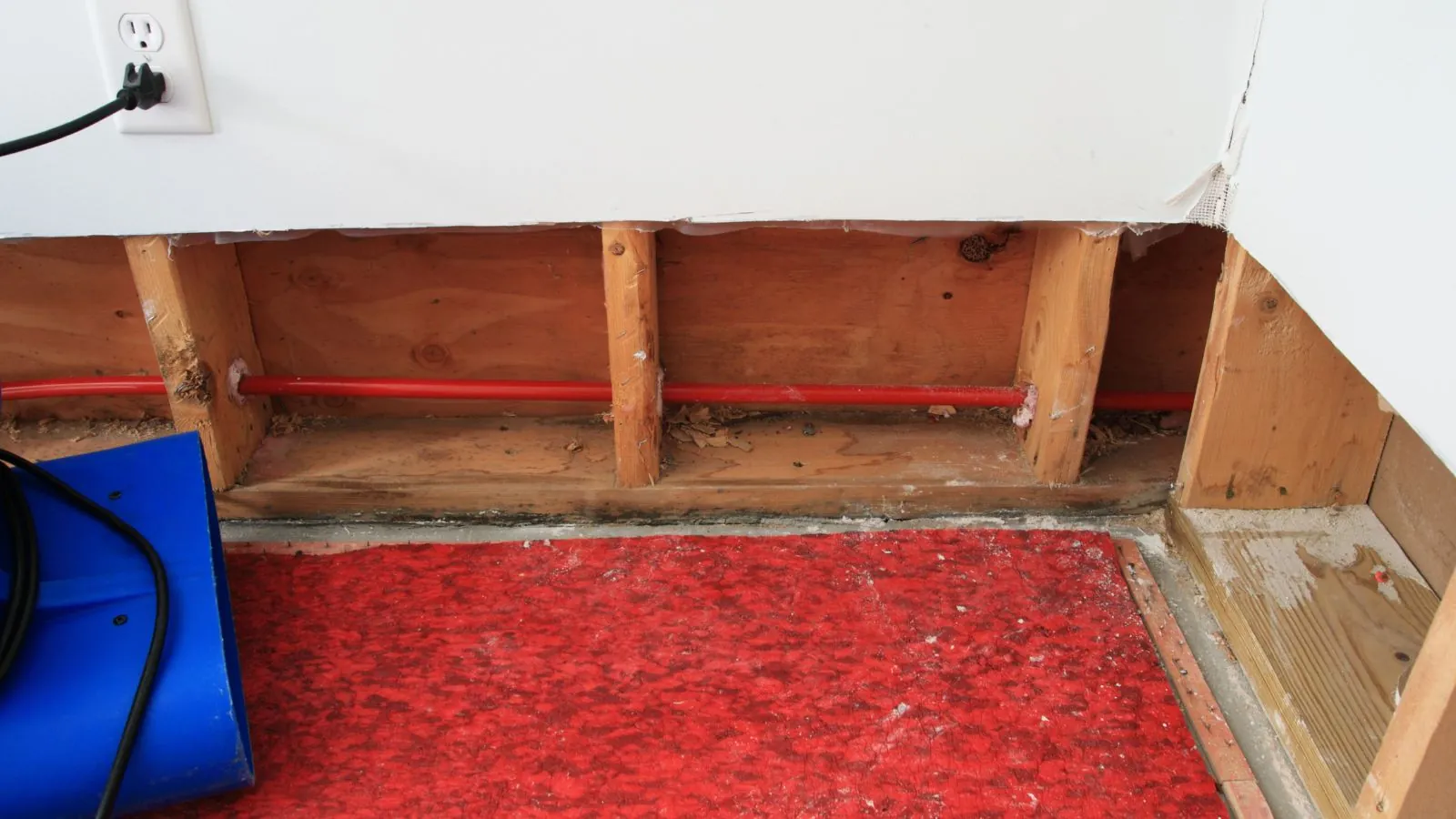
People searching for ways to kill basement mold usually want one thing. They want it gone and they want it to stay gone. The surprising part is that killing mold is rarely the real goal. Dead mold can still leave stains, odors and particles behind, and it will return if moisture does.
Florida homes seldom have full basements, so this applies to any below-grade or enclosed lower area in a Valrico home, such as a garage, utility room or walkout level.
Killing versus removing
Mold is made of living growth and spores. A product can damage the living part and still leave material behind. Industry guidance focuses on removing mold and the materials it has grown into, then drying and cleaning the space so growth cannot restart.
| Approach | What it does | What it does not do |
|---|---|---|
| Bleach on hard surfaces | Lightens stains and cleans non-porous surfaces. | Does not fix moisture or reach inside porous materials. |
| Vinegar | Can clean light surface growth. | Does not solve damp materials or large areas. |
| Commercial mold sprays | May treat surfaces according to the label. | Do not remove contaminated drywall or insulation. |
| Removal and cleaning | Takes out affected material and cleans surfaces. | Still needs moisture control to last. |
| Dehumidification and repair | Removes the conditions mold needs. | Does not clean existing growth. |
Always follow product labels and never mix cleaning chemicals.
Why bleach disappoints on porous materials
Bleach works on the surface of hard, non-porous materials. On drywall, wood and carpet, the liquid soaks in while the mold roots go deeper. The surface may look clean and the growth often reappears as the material dries.
Bleach also adds water to a damp area, which can help mold in the long run. Never mix it with ammonia or other cleaners, because the fumes are dangerous.
What actually keeps mold away
Cut off moisture
Repair leaks, improve drainage and reduce humidity.
Remove porous growth
Take out soft, swollen or heavily affected materials and bag them.
Clean hard surfaces
Detergent and water or a labeled cleaner, then dry fully.
Verify and watch
Use a meter, check for odors and monitor for new growth.
Professionals also use HEPA filtration and containment so spores do not spread during removal. See mold remediation for the way we handle larger jobs, and structural drying for how moisture is verified.
Warning signs that a spray will not be enough
- Growth returns within days or weeks after cleaning.
- A strong musty smell lingers with no visible mold.
- The drywall or wood feels soft.
- Growth spreads across multiple rooms.
- Water damage preceded the mold.
- The affected area is large.
We make no health claims about mold. If you or someone in the home is concerned about health, consult a physician.
Walls that must come out
When drywall has to be removed, the work is similar to any other water repair. The wet or growth-covered section is cut out, the cavity is dried and cleaned and new drywall is installed, taped, textured and painted. See wall and drywall water damage repair for the full sequence.
Why prevention beats a product
The least expensive mold plan is the one that removes the conditions mold needs. Keep humidity under control, clear drains and gutters, insulate cold pipes and look at lower spaces after heavy rain. No product replaces dry materials and moving air.
If you do use a cleaner, read the label, ventilate the room and wear gloves and eye protection. Never mix cleaning products, and do not apply them to large areas of drywall or insulation that should be removed.
Whatever you try, give it a few weeks and watch. Growth that returns tells you the moisture was never solved, and that is when a professional assessment pays for itself.
According to the published ANSI/IICRC S520 standard for mold remediation, controlling moisture comes first, and that guidance is why this guide keeps returning to drying and humidity.
Local note on permits
Hillsborough County Development Services says cosmetic repairs, including drywall removal or replacement, do not need a permit in the unincorporated county, but the county still asks for a Substantial Damage Packet after flood damage. Rebuilding or structural repairs inside a Special Flood Hazard Area do need a permit. The same office can tell homeowners in Dover and Tampa what applies at their address.
Mold killing questions Valrico homeowners ask
Is vinegar better than bleach for mold?
Vinegar can clean light surface growth on hard materials, but neither product fixes moisture or reaches deep into porous materials. Removal is the reliable answer for drywall and insulation.
Can I kill mold with a fogger or a bomb?
Those products treat air and surfaces only. They do not remove contaminated materials or fix moisture. A professional can explain better options.
Why does mold smell worse after I spray it?
Wetting the area can release odor from the material underneath. A musty smell usually points to damp material that needs removal or drying.
How soon can I repaint after cleaning?
Only after the surface is fully dry and the moisture source is fixed. Paint over damp material traps the problem.
Does a permit apply to mold cleanup in Hillsborough County?
Cosmetic repairs like drywall replacement do not need a permit in unincorporated Hillsborough County, but structural work in a flood hazard area does. Ask Development Services about your address.