
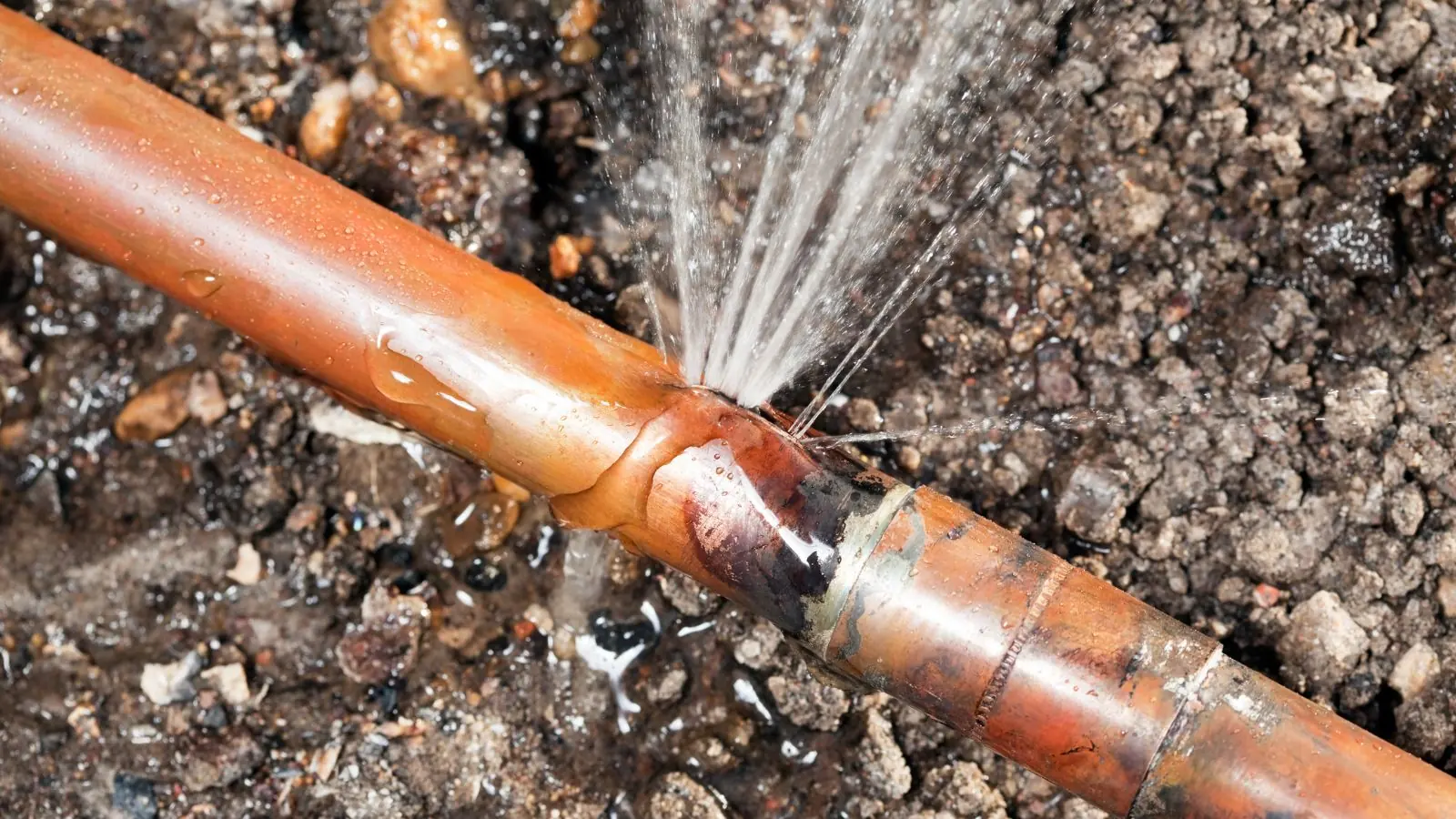
Most homeowners ask the insurance question before any other. They want to know whether a burst pipe, a leaking roof or a flooded yard will be covered. The honest answer is that it depends on the policy, the cause of the water and what the insurer decides after reviewing your claim.
This guide explains the general pattern so you know what to ask. We are a restoration company, not an insurer or an attorney, so your policy and your insurer have the final word.
Sudden damage versus gradual damage
Standard homeowners policies usually cover sudden and accidental water events. A supply line that splits overnight, a water heater that fails or an appliance hose that bursts are the typical examples.
Gradual damage is treated differently. A slow drip under a sink that runs for months, long-term seepage or poor maintenance can fall under exclusions. Insurers often ask how long the water was present, and moisture readings and photos can help show the timeline.
| Type of event | How policies often treat it |
|---|---|
| Burst pipe or sudden supply line failure | Often covered, subject to the policy terms and deductible. |
| Appliance hose or water heater failure | Often covered when sudden, but wear and tear can be excluded. |
| Slow leak over weeks or months | Often limited or excluded as gradual damage. |
| Roof leak after storm damage | May be covered when a covered peril caused the opening. |
| Flood from rising water | Usually excluded from standard policies and covered by flood insurance. |
| Sewer or drain backup | Often requires added endorsement coverage. |
Policies differ, so read yours and ask your insurer directly.
Why flood is a separate conversation
FEMA notes that standard homeowners policies mostly do not cover flood damage. Flood coverage typically comes from a separate flood policy, and that policy usually takes 30 days to become active. That means you cannot buy it when a storm is already on the way.
If water enters from outside at ground level, as it can in a hurricane or a river flood, tell your insurer what happened and ask which policy applies. Our flood damage restoration page explains how those jobs are handled once the claim is in motion.
What the Florida claim timeline looks like
The Florida Department of Financial Services publishes a guide called What to Expect After Filing a Homeowners Claim, updated in June 2025. It tells policyholders to report the claim immediately. The insurer should acknowledge the claim within 7 days.
A written denial or payment of the undisputed portion should arrive within 60 days of the report. If a claim has closed, you have 1 year to ask for it to be reopened, and 18 months from the date of loss to notify the insurer of additional damage on an open claim.
- Report the claim as soon as you can after the loss.
- Make emergency repairs to stop further damage and keep the receipts.
- Photograph or video damaged items before you move or discard them.
- Contact the insurer before you sign a repair contract.
- Keep a log of calls, names and dates with your insurer.
Document the loss while it is fresh
Insurers want proof of what happened and what it cost. The best records are taken before cleanup begins. Capture wide shots of each room, close shots of damage and any visible source such as a cracked pipe.
The Department of Financial Services guide also says items should be disposed of only if they present a health risk. If you must throw something away, photograph it first. When we work on a loss, we add moisture readings, drying logs and scope notes so your records are complete. See structural drying for how we track readings.
What to do in the first hours
Stop more damage
Shut off water at the source, lift belongings and call a restoration company. Insurers expect reasonable steps to limit damage.
Call your insurer
Report the loss promptly and ask what they need. Write down the claim number.
Photograph everything
Photos and video of each room support the claim and your inventory.
Keep receipts
Emergency repairs, hotel stays and equipment rentals may be reimbursable depending on your policy.
For active water, water extraction is the first step. If a pipe has burst, burst pipe water damage describes what to expect.
Questions to ask your insurer
- Is this type of loss covered, and what is my deductible?
- Does my policy have an exclusion for gradual damage or mold?
- Do I have sewer backup or flood coverage?
- What documentation do you need from the restoration company?
- Will you pay the restoration company directly or reimburse me?
- Who is my adjuster and how do I reach them?
Write the answers down. If you disagree with a decision, ask for the reasons in writing. Many homeowners find it helpful to review the Florida Department of Financial Services consumer resources before they respond.
According to the published ANSI/IICRC S500 water damage standard, the speed and method of drying decide how much of a structure can be saved, which is why this guide stresses acting early.
Local note for Valrico homeowners
The Florida Department of Financial Services claim guide applies to every Valrico policyholder, and it recommends contacting the insurer before signing a repair contract. FEMA also notes that flood insurance typically takes 30 days to become active, which matters for homes near the Alafia River. If you want to see how nearby towns approach claims, the same process applies in Durant and Lithia.
Insurance questions Valrico homeowners ask
Can I start cleanup before the adjuster arrives?
Yes. Insurers generally expect you to limit damage by stopping the water and starting drying. Photograph everything first and keep receipts for emergency work.
How long do I have to file a water damage claim in Florida?
Report it immediately. The Department of Financial Services guide notes you have 1 year to ask for a closed claim to be reopened and 18 months from the date of loss to notify the insurer of additional damage on an open claim.
Will my insurer pay the restoration company directly?
Some do and some reimburse you. Ask your adjuster before work starts, and ask the restoration company how it handles billing.
Does a slow leak count as gradual damage?
Often yes. Long-term seepage and poor maintenance can be excluded. Moisture readings and photos help show how long the water was present.
If my yard floods and water reaches the house, am I covered?
Standard homeowners policies mostly do not cover flood. FEMA says flood coverage usually requires a separate policy that takes 30 days to become active. Check with your insurer.