
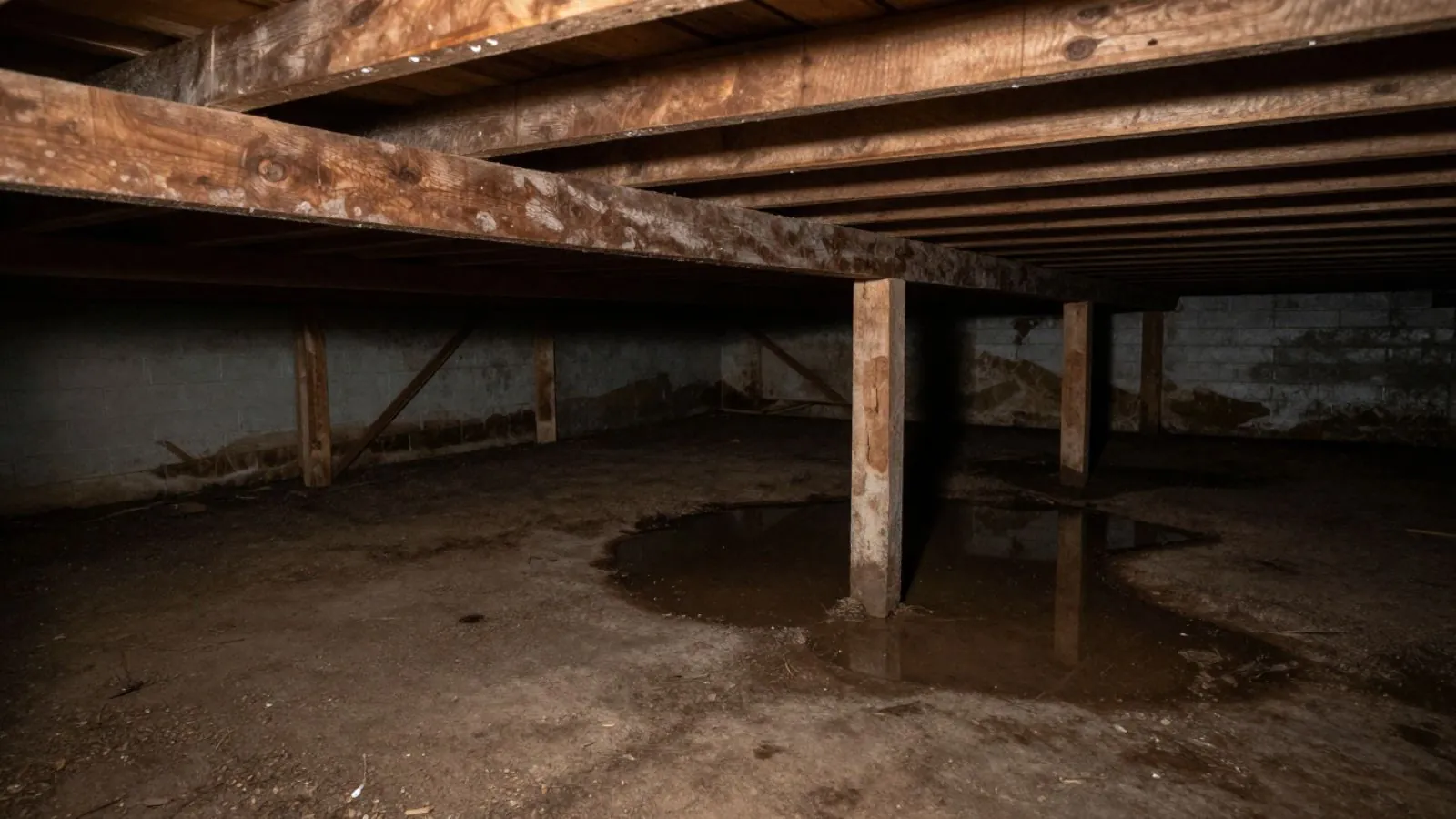
Homeowners use mold and mildew almost interchangeably, but the words can describe different things. Mildew often refers to flat, surface-level growth on damp materials, and mold is a broader term that includes fuzzy or deeply rooted growth. The terms overlap in everyday use, and only testing can say exactly what a patch is.
In a Florida home the practical question is simpler. Is this surface growth you can clean, or growth that has moved into material you must remove? The answer depends on what it is growing on and how long it has been wet.
Common clues
| Clue | Often seen with mildew | Often seen with mold |
|---|---|---|
| Texture | Flat, powdery or downy. | Fuzzy, slimy or raised. |
| Color | White, gray or yellow patches. | Green, black, blue or orange patches. |
| Location | Shower walls, window sills, damp fabrics. | Drywall, ceilings, wood and insulation. |
| Depth | Usually on the surface. | Can grow into porous material. |
| Smell | Light, musty. | Strong, earthy or sour. |
These are general patterns and not a diagnosis. A professional inspection can confirm.
Why the difference matters less than you think
Both need moisture to grow. If you remove the moisture and clean what is on the surface, many light cases clear up. If moisture stays, both return.
The practical line is the material. Hard surfaces such as tile and glass can be cleaned. Porous materials such as drywall, carpet and insulation can hold growth deep inside, and those usually need removal when growth is established.
Where we see damp problems start
Bathrooms and laundry rooms
Steam and splashes keep walls and ceilings damp.
Window frames and sills
Condensation collects when cool glass meets humid air.
Closets and cabinets
Air does not move, so damp builds on shelves and floors.
Air conditioning areas
Condensate lines and cold ducts leave damp spots on ceilings and walls.
Ceiling spots near an air handler may come from a clogged drain line. See AC leak water damage for what to check. If the spot follows a leak, ceiling water damage repair explains the next steps.
What to do about each
Find the moisture
Look for leaks, condensation, poor ventilation and wet materials.
Dry the area
Use a dehumidifier, fans and better ventilation, and confirm with a meter.
Clean hard surfaces
Detergent and water on hard surfaces, then dry.
Remove porous growth
Take out drywall, carpet or insulation with established growth.
If the area is large, recurring or inside walls, call a professional. Mold remediation describes how containment and removal work.
We make no health claims
Whether it is mold or mildew, we do not say what it does to people. If you have health concerns, talk to a physician. We focus on finding the moisture and removing damaged material.
Preventing both
- Run bathroom fans during and after showers.
- Keep indoor humidity in a comfortable range with the air conditioner or a dehumidifier.
- Wipe condensation from windows and sills.
- Fix leaks promptly.
- Let air move behind furniture and in closets.
- Clean visible growth early before it spreads.
A simple home check you can do today
Look in the places where moisture hides. Check the ceiling around bathroom fans, the walls behind furniture on exterior walls, the area around windows and the inside of closets. Press gently on suspect drywall. If it is soft or damp, call for help.
Smell matters too. A stronger odor in one room than another points you toward the source. Keep notes on when the smell is strongest, such as after rain or after the air conditioner runs, since those patterns help whoever inspects the area.
Finally, check the humidity. A cheap hygrometer shows whether a room stays damp. Readings that stay high for days mean the air conditioner, ventilation or a hidden leak needs attention.
Whichever it turns out to be, treat the moisture first, because cleaning a surface that stays wet only buys a short delay.
According to the published ANSI/IICRC S520 standard for mold remediation, controlling moisture comes first, and that guidance is why this guide keeps returning to drying and humidity.
Local note after the Alafia flood warnings
Hillsborough County reported National Weather Service flood warnings for the Alafia River on October 11, 2024, after Hurricane Milton. Homes touched by floodwater in the Lithia and Durant area may have stayed damp long after the water receded. If you find spots on materials that got wet in a flood, treat them as a sign to dry and inspect rather than to wipe and move on.
Mold and mildew questions Valrico homeowners ask
Is black mold worse than other colors?
Color alone does not tell you what a growth is or how serious it is. Treat any growth as a sign of moisture and have the area checked.
Can I clean shower mildew myself?
Yes for surface growth on tile and grout, using detergent and water or a labeled cleaner. Improve ventilation so it does not return.
What if the spots keep coming back?
There is usually moisture you have not found. Check for leaks, condensation and poor airflow, or call a professional.
Does a dehumidifier help?
It can. Lower humidity makes it harder for growth to start, but it does not remove existing damage or fix leaks.
How do I know if a patch is mold or just dirt?
A moisture reading, a smell and how the patch responds to cleaning give clues. A professional inspection or test can confirm.